

Rules & signs
Ontario Road Signs Explained: Shapes, Colours & Categories
On this page
Road signs can look like a lot to memorise, but there's a shortcut. Every Ontario sign belongs to a group, and its shape and colour tell you what kind of sign it is before you even read the words. Learn the groups, and the rest falls into place.
The four groups of signs
Most signs you'll meet, and most of the ones on your G1 test, fit into four families:
Regulatory signs: the law
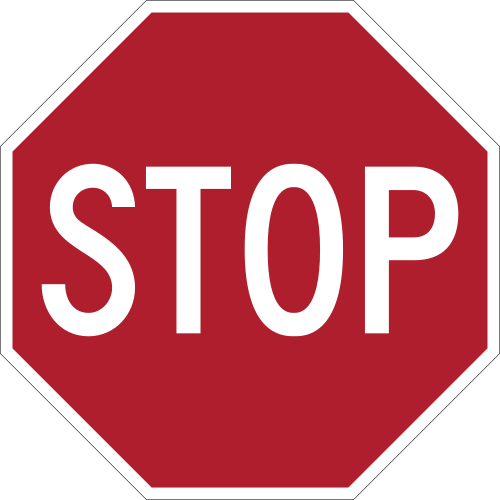
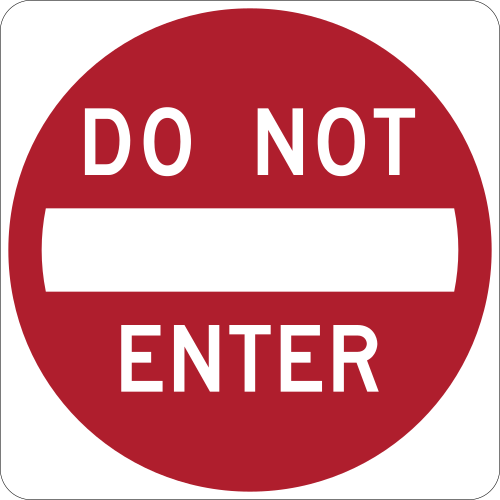
Regulatory signs tell you what you must or must not do: stop, yield, speed limits, no left turn, one way. They usually have a white or black background, or a red circle/slash for something that's prohibited. Break a regulatory sign and you're breaking the law.
The two most important are unmistakable by shape alone:
- A red octagon always means stop: come to a complete stop.
- A downward-pointing triangle always means yield: slow down and give way.
Warning signs: a hazard ahead
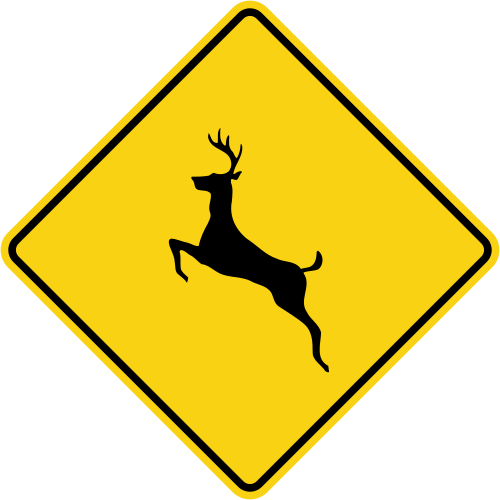
Warning signs are almost always a yellow diamond, and they tell you something is coming up that needs attention: a curve, a crossing, a narrowing road, an intersection. They don't set a law. They give you time to react. When you see yellow, ease off and look ahead.
Temporary signs: construction and roadwork
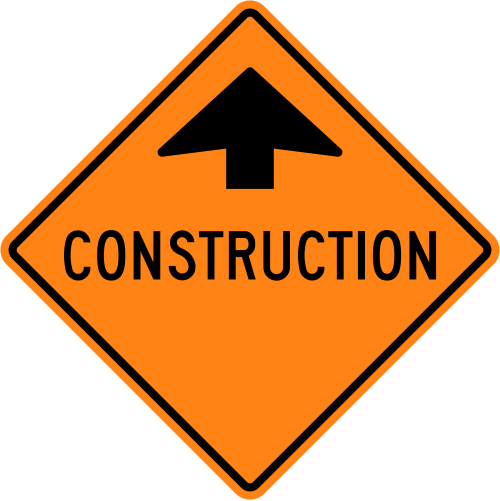
Temporary signs use a bright orange diamond shape. They warn of construction, lane closures, detours, and workers on or near the road. Slow down, obey any lower posted limits, and watch for people and equipment.
Information and direction signs
These signs are usually green, blue, or brown and help you find your way: exits, distances, routes, and services. They don't demand an action; they guide you.
Read the shape and colour first
Here's the habit that makes signs easy: glance at the shape and colour before the words. Red octagon? You already know to stop. Yellow diamond? A hazard is coming. Orange? Construction. Your brain reacts faster than it reads, and on a busy road, that speed matters.
Learn them by seeing them
Signs stick when you see them over and over, not when you read a list once. The fastest way to lock them in is to practise with real Ontario sign questions and let the ones you miss come back around.
Want the wider picture of the test first? See what's on the G1 test, and when you're ready, start practising for free.
Common questions
How many types of road signs are there in Ontario?
Signs fall into a few main groups: regulatory signs (the law, what you must or must not do), warning signs (a hazard ahead), temporary/construction signs, and information/direction signs. Learning the group tells you how to react even before you read the words.
What do the shapes and colours of road signs mean?
Shape and colour are shortcuts. A red octagon always means stop; a downward triangle means yield; a yellow diamond warns of a hazard ahead; an orange diamond means construction; green signs give directions and distances. Recognising the shape and colour first makes signs faster to read.
Are road signs a big part of the G1 test?
Yes, road signs are about half the G1 knowledge test (currently 20 of the 40 questions on DriveTest's test). Knowing your signs cold is one of the fastest ways to lift your score.
Ready to practise?
Put it into practice with free, real-format questions and a plain-English explanation for every answer.
Practise road signs