

Rules & signs
Ontario Speed Limits (and What Happens If You Break Them)
On this page
Speed limits in Ontario are simpler than they look, but two things trip people up: what the limit is when there's no sign, and the fact that the posted number is a maximum, not a suggestion.
The default limits (when nothing is posted)
If there's no speed-limit sign, the law sets the maximum for you:
- 50 km/h in cities, towns and villages.
- 80 km/h everywhere else.
So an unmarked residential street is 50; an unmarked rural road is 80. Learn these two numbers. They come up often.
Posted limits and special zones
Where a limit is posted, that's your maximum. Some zones lower it to protect people:
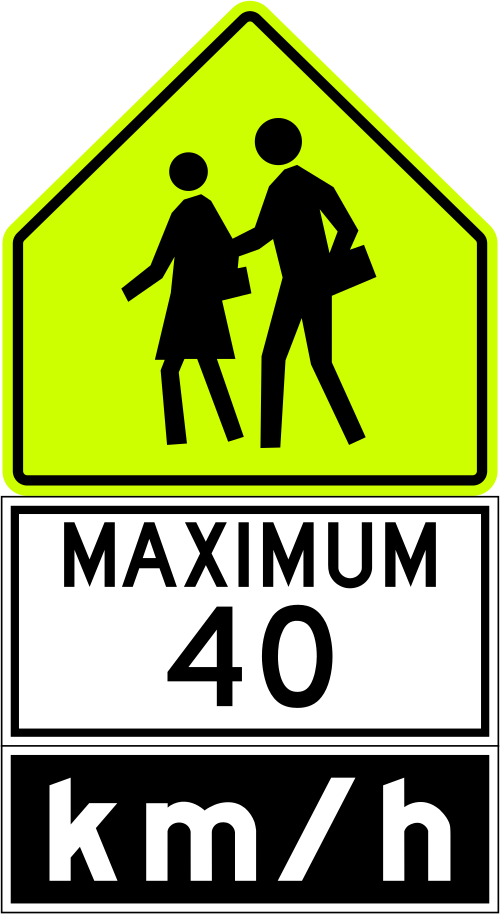
- School zones often have reduced limits during the times children are around.
- Construction zones post lower limits to protect workers. Obey them whether or not workers are present at that moment.
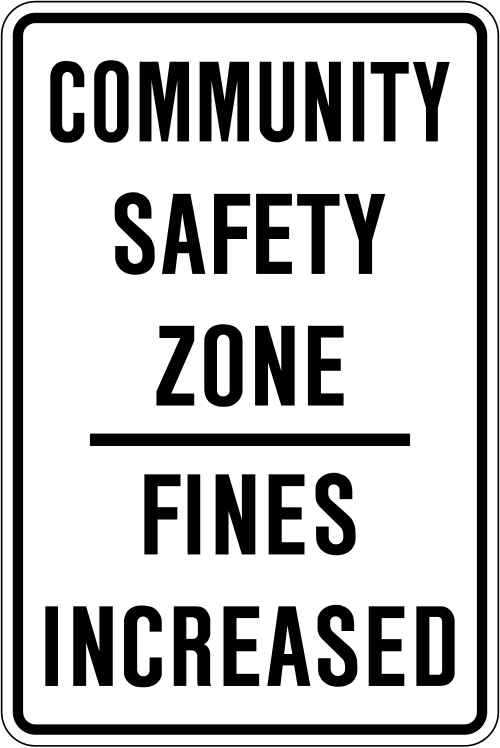
Community safety zones: where fines climb
A community safety zone marks a stretch of road where the community has flagged a special risk, often near a school or a spot with frequent collisions. The rules are the same, but the penalties are increased: the same speeding ticket costs you more here than it would elsewhere. When you see the sign, ease off.
The limit is a ceiling, not a goal
Here's the part the test, and real life, cares about most: the posted limit is the most you may do in good conditions, not the speed you must do. You have to slow down below it when:
- The weather is bad (rain, snow, fog, ice).
- Traffic is heavy.
- You're in a construction or school zone.
The rule behind all of this: always drive at a speed that lets you stop safely for whatever's ahead.
Penalties, in plain terms
Speeding brings fines and demerit points, and both climb the faster you go. In a community safety zone, the fines are higher again. Rather than memorising dollar amounts (they change), remember the principle: speed is one of the biggest factors in whether a crash happens and how bad it is, which is exactly why the penalties get steep.
Speed and highway rules are a solid chunk of the G1. Practise speed, passing and highway questions, or start a free round. See also demerit points explained.
Common questions
What is the speed limit if there is no sign?
Where no limit is posted, the maximum is 50 km/h in cities, towns and villages, and 80 km/h everywhere else.
Do I have to drive the speed limit?
The posted number is a maximum, not a target. You must drive below it when conditions call for it: bad weather, heavy traffic, or a construction zone. Always drive at a speed that lets you stop safely.
What is a community safety zone?
A community safety zone is a stretch of road, often near schools or where collisions are common, where traffic fines are increased. Speeding there costs you more than the same offence elsewhere.
Ready to practise?
Put it into practice with free, real-format questions and a plain-English explanation for every answer.
Practise speed & highway rules